


Closer to the Art. Closer to the Artist.
Why a considered introduction to the maker can change how we experience the work.
A different kind of introduction
The most interesting thing about a work of art is rarely the first fact on its label. A title, medium and dimension can orient us. They cannot tell us everything an artist noticed, questioned, learned or decided. Those discoveries often begin when someone offers a little more access: a detail in the work, a story from the studio, a conversation that changes the way we look.
Maui Fine Art Collective was built around that possibility. It is an artist-led doorway into the work of a deliberately selected group of artists living and working on Maui. Its purpose is not to make every work fit one visual identity. It is to help people encounter distinct artistic practices, understand what moves them, and collect with greater confidence and connection.
Let the work lead
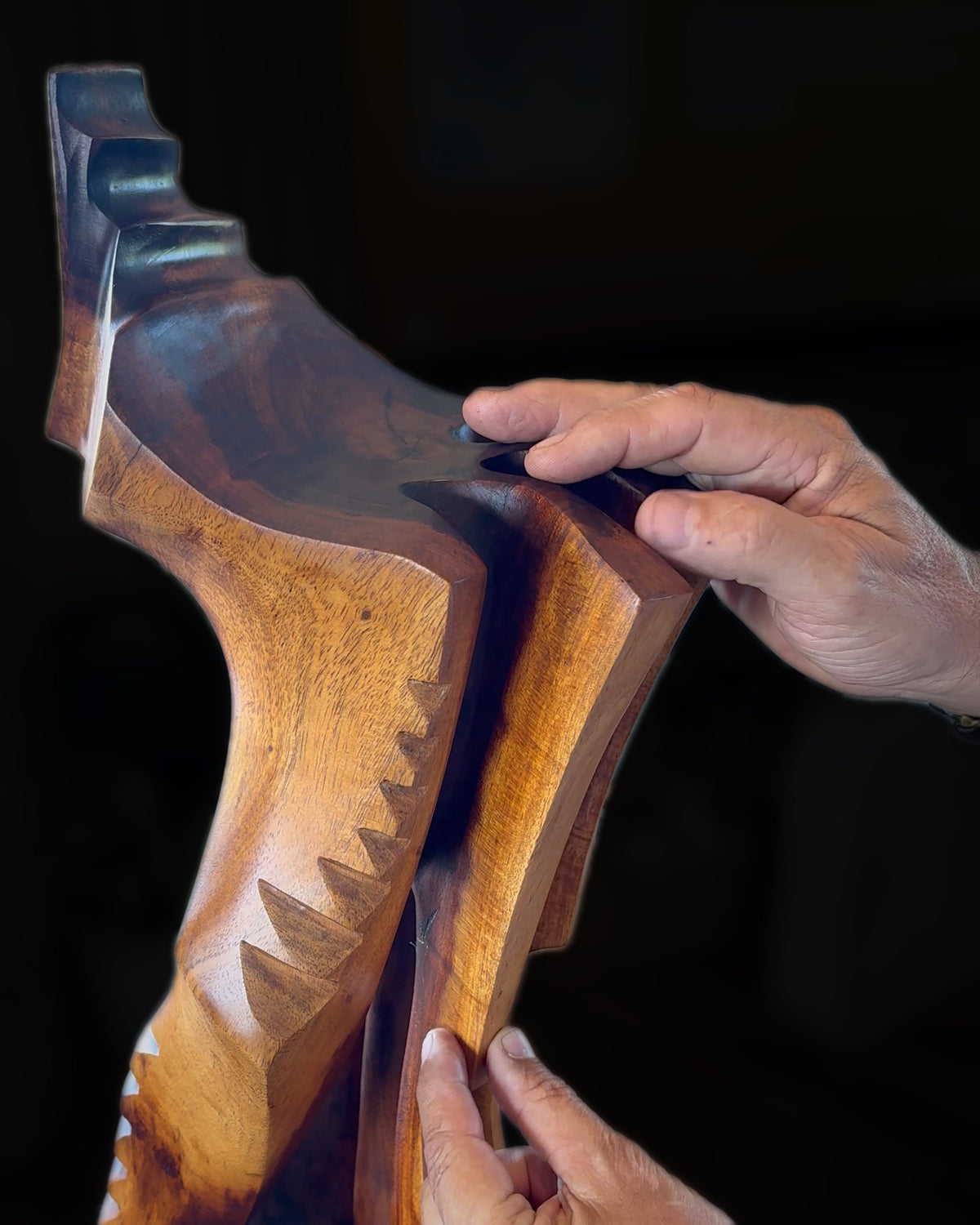
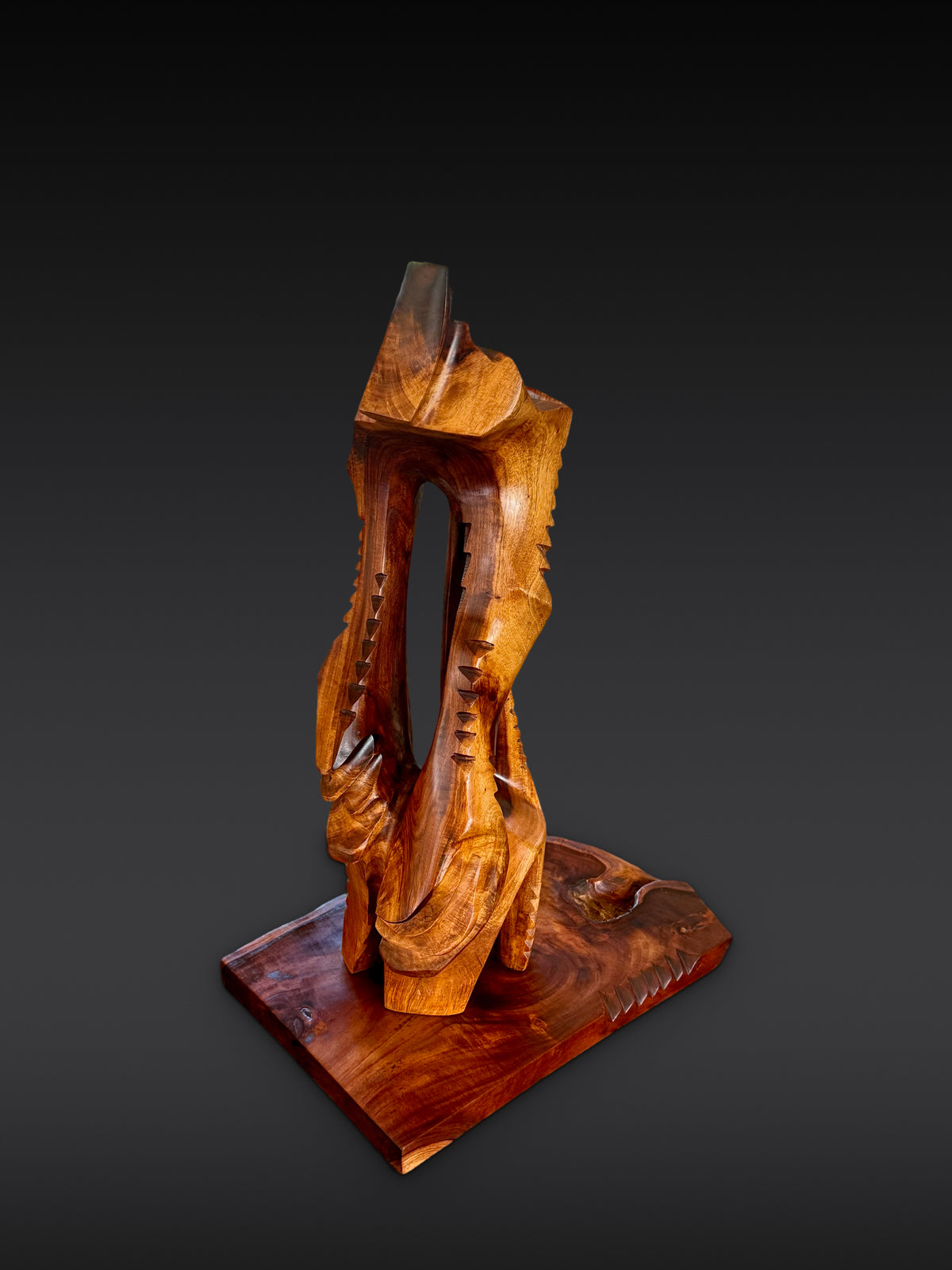
Consider Avi Molinas's Lawaiʻa | The Fisherman. The front presents a figure that joins human and marine forms. Walk around it, and two smaller figures on the back become part of the story. Hear Avi describe them, and the sculpture opens into an account of family and protection. Learn about the kou and milo, the extended finishing process and his invitation to touch the surface, and the encounter changes again.
The work has not changed. Our access to it has. That is what artist-led presentation can do when it gives the artist room to speak without turning the artwork into an illustration of a sales message.
Different artists, different ways of seeing
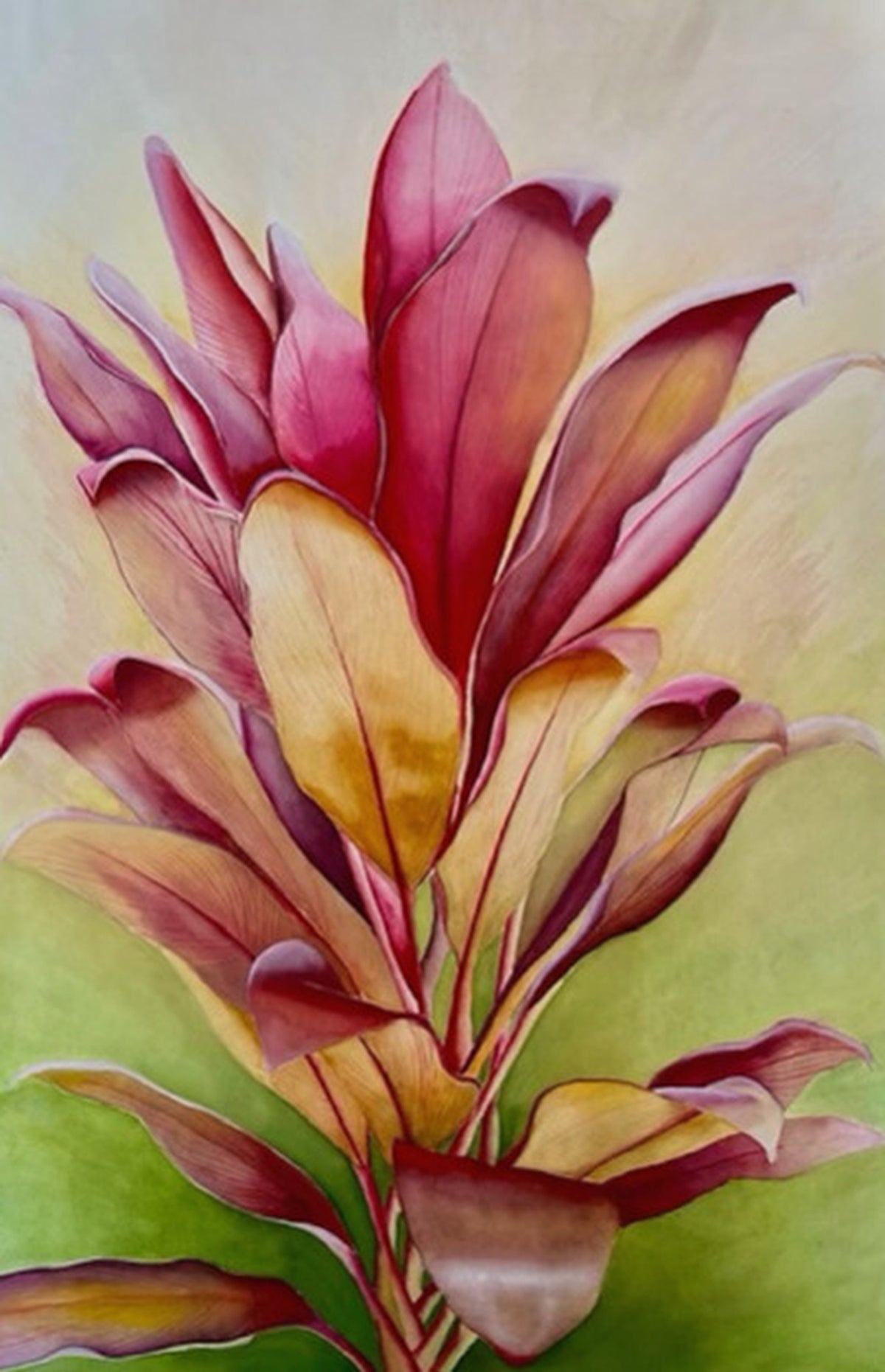
Lance Ehrecke's photography offers another kind of invitation. His panorama Olowalu Revealed brings reef, shoreline and valley into one field of view, then rewards closer looking with details that emerge as the viewer approaches. Paulo Sabado describes a hope that art can communicate beyond words and invite meaningful connection. Erin Sabado's practice in works on paper and botanical subjects adds another perspective within the Collective. Each requires its own attention, vocabulary and presentation.


Four practices, not one style
Avi’s sculpture asks the viewer to move around an object. Paulo’s painting invites an encounter with color, memory and imagination. Erin’s works on paper turn close observation into line and impression. Lance’s photographs can transform a familiar place through perspective and scale. The Collective does not need to make these approaches agree. It needs to make each understandable on its own terms.
A collective should not make these artists sound alike. It should give each of them the professional support to be understood on their own terms. Their work may differ in medium, scale, technique and subject. That difference is a reason to bring them into conversation, not a problem to smooth away.
Maui is where the work happens
Maui is more than a setting for the pictures. It is where these artists make decisions, work with materials, revisit places and develop their practices. That does not mean every artwork must depict a recognizable coastline or fit a visitor's idea of island life. An artist living and working here may make something quiet, difficult, abstract or unexpected. It still belongs to the creative life of Maui.
The distinction matters to collectors. There is a difference between acquiring an image of a place and getting to know a work made by an artist whose life and practice are rooted there. Both can begin with beauty. The second invites curiosity about the person, the process and the decisions behind what is seen.
What the relationship makes possible
A collector might arrive knowing exactly which artwork they want. Another might begin with a room, a memory of Maui, an interest in a material or a desire to understand an artist. An interior designer may need work that holds its own within a larger project. These are different starting points, but they need not become different kinds of sales pressure.
MFAC's role is to make thoughtful introductions and provide capable help when it is useful: finding available work, connecting with the artist's story, arranging an appropriate viewing, discussing a commission or understanding how a work might live in a space. The relationship should be personal without becoming exclusive or intimidating.
A smaller selection, a closer encounter
Not every work by every artist needs to appear in a public catalog. A considered selection can give each work room to be seen and each artist room to explain what matters. Stories, artwork pages and conversations serve different purposes. A Story may linger over process and meaning. An artwork page provides the practical facts of the piece. A human conversation begins with what the collector is actually looking for.
Today the represented artists are Avi Molinas, Erin Sabado, Paulo Sabado and Lance Ehrecke. The Collective brings together original works, sculpture and photographic editions, with different acquisition paths appropriate to each. The shared promise is not that all the work looks like Maui. It is that the work and the people making it deserve to be encountered with care.
Discover. Connect. Collect.
Discover Maui through the artists living and working here. Connect with the work, its maker and the story behind it. Collect what moves you, when the relationship feels right. The artwork remains central. The Collective is here to open the door—and then make room for the encounter.
A practical doorway
There is no single correct way to begin. A visitor may follow a story to one artwork, move from an artist page into another medium, or start with a space and ask for help. A clear website should support all three without interrupting the encounter with aggressive prompts.
